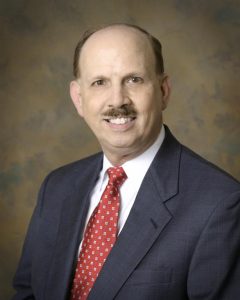
By George F. Indest III, J.D., M.P.A., LL.M., Board Certified by The Florida Bar in Health Law
On September 23, 2026, skilled nursing facility operators in Massachusetts and two executives have agreed to pay $1 million to settle False Claims Act (FCA) allegations involving Medicare and Medicaid overbilling. The U.S. Attorney’s Office for the District of Massachusetts announced that skilled nursing facilities operated by RegalCare Management Group, along with its owner and executives, agreed to the settlement.
The federal government alleged that the facilities billed for rehabilitation therapy that was medically unreasonable and unnecessary and that certain claims were not supported by individual patient needs.
False Claims Act Allegations Involving Skilled Nursing Rehabilitation
According to the DOJ, RegalCare inflated claims submitted to Medicare and Massachusetts Medicaid, known as MassHealth. By recommending as many patients as possible for the highest level of care, RegalCare was able to boost its reimbursements, the government alleged. The DOJ identified several patients whose evaluations had fluctuated based on when RegalCare was managing their treatment. The allegations were part of a False Claims Act case filed in federal court in Massachusetts.
Government Alleged Rehabilitation Services Were Medically Unnecessary
The government alleged that RegalCare submitted claims for skilled nursing rehabilitation therapy that were medically unreasonable and unnecessary. The government stated that claims were submitted at the direction of the owner and its executives even though they were not supported by the individual needs of the patients.
This aspect of the settlement is particularly important for skilled nursing providers. Treatment and billing decisions should be based on each patient’s documented clinical condition and medical needs—not predetermined reimbursement targets or financial goals.
Whistleblower Lawsuit Led to the False Claims Act Case
The allegations were originally brought under the FCA’s qui tam, or whistleblower, provisions. These provisions permit private individuals to bring lawsuits on behalf of the government alleging false claims involving government funds. Qualifying whistleblowers may receive a portion of the government’s recovery.
In this case, the whistleblower is scheduled to receive $165,000 from the settlement proceeds, according to the DOJ.
False Claims Act Investigations Can Have Serious Consequences
Healthcare providers that participate in Medicare, Medicaid, and other government healthcare programs face extensive billing and documentation requirements. A billing problem may lead to much more than repayment of an alleged overpayment. Depending on the facts, providers and individuals may face FCA litigation, civil monetary penalties, government investigations, whistleblower lawsuits, exclusion issues, licensing consequences, or other administrative actions.
Healthcare organizations that identify potentially improper claims should consult experienced healthcare counsel promptly to evaluate the situation, preserve relevant records, determine whether an overpayment exists, and assess any reporting or repayment obligations.
Contact an Experienced Health Law Attorney
The attorneys of The Health Law Firm represent physicians, nurses, skilled nursing facilities, healthcare executives, medical groups, and other healthcare providers in Medicare and Medicaid audits, False Claims Act matters, healthcare fraud investigations, billing disputes, and regulatory compliance matters.
If you or your healthcare organization receives a subpoena, audit request, Civil Investigative Demand (CID), overpayment demand, or other notice involving Medicare or Medicaid billing, obtaining experienced legal counsel early in the process may help protect your rights and reduce unnecessary risk.
To contact The Health Law Firm, please call (407) 331-6620 or toll-free at (888) 331-6620 and visit our website at www.TheHealthLawFirm.com.
Sources:
Press Release. “Skilled Nursing Company and Executive Agree to Pay $1 Million to Resolve Overbilling Allegations.” U.S. Attorney’s Office, District of Massachusetts. (September 23, 2026). Web.
Manganis, Julie. “Nursing Facility Operator To Pay $1M In FCA Settlement.” Law360. (September 23, 2026). Web.
About the Author: George F. Indest III, J.D., M.P.A., LL.M., is Board Certified by The Florida Bar in Health Law. He is the President and Managing Partner of The Health Law Firm, which has a national practice. Its main office is in the Orlando, Florida, area. www.TheHealthLawFirm.com The Health Law Firm, 1101 Douglas Avenue, Suite 1000, Altamonte Springs, FL 32714, Phone: (407) 331-6620 or Toll-Free: (888) 331-6620.
Keywords: healthcare fraud legal representation, healthcare fraud defense lawyer, Medicare fraud, legal representation for Medicare fraud, Medicare fraud defense attorney, legal representation for allegations of Medicare fraud, legal representation for health care fraud, legal representation for fraudulent billing, legal representation for allegation of defrauding the government, legal representation for submitting false claims, Medicare audit defense attorney, Medicare billing defense attorney, legal representation for false billing, legal representation for Medicare audits, Medicaid fraud defense attorney, legal representation for Medicaid audit, Medicaid audit defense attorney, Medicare and Medicaid investigation defense attorney, legal representation for Medicare and Medicaid investigations, False Claims Act (FCA), FCA attorney, FCA representation, FCA defense lawyer, whistleblower representation, whistleblower defense attorney, qui tam lawyer, qui tam defense attorney, qui tam representation, reviews of the Health Law Firm, The Health Law Firm attorney reviews
“The Health Law Firm” is a registered fictitious business name of and a registered service mark of The Health Law Firm, P.A., a Florida professional service corporation, since 1999. Copyright © 2026 George F. Indest III, The Health Law Firm. All rights reserved. No part of this work may be reproduced in any way in any medium without the written permission of the copyright owner. The author of this work reserves the right to have his name associated with any use or publication of this work or any part of it.