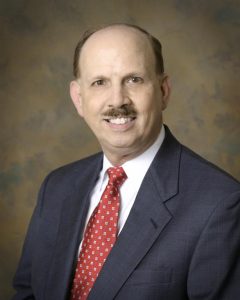
 By George F. Indest III, J.D., M.P.A., LL.M., Board Certified by The Florida Bar in Health Law
As a firm of attorneys representing physicians and other health professionals across the U.S., we are frequently involved in representing and defending them against complaints and accusations involving misconduct or lack of skill and competence, emergency or precautionary suspension of clinical privileges, clinical privileges hearings (sometimes called “fair hearings”), and appealing adverse National Practitioner Data Bank (NPDB) reports.
1. Although U.S. Congressman Ron Wyden is credited as the writer and original sponsor of the Health Care Quality Improvement Act of 1986, history seems to have overlooked the fact that it was actually the brainchild of a medical doctor who had been sued based on his participation in actions taken against another physician in a hospital setting.
2. The primary feature sought through the HCQIA was immunity from civil liability for physicians who participated in peer review proceedings and clinical privileges actions against other physicians, so they could not be sued for this.
3. In exchange for the HCQIA’s immunity provisions and to ensure its passage by Congress, the proposal included the creation of the National Practitioner Data Bank (NPDB) and certain guarantees of due process of law to any physician whose clinical skills and confidence were being challenged through the process or acted against.
4. Many states have picked up the original due process of law requirements of the HCQIA and have codified them into state statutes. California is the most notable among these.
5. The HCQIA contains important safeguards that are required before a hospital medical staff is authorized to take adverse action against the clinical privileges of a physician; however, many of these have been taken away by the enactment of medical staff bylaws, which shift the burden of proof onto the physician in question or otherwise pervert the original due process of law requirements of the HCQIA.
6. As originally enacted, the HCQIA did not include any federal institutions in its coverage, including the Veterans Administration (VA) and military treatment facilities. However, both the VA and the Department of Defense (DOD) voluntarily agreed to participate in the HCQIA and the NPDB, establishing agreements with the U.S. Department of Health and Human Services (HHS) to do so. These agreements are called Memoranda of Understanding, or “MOUs.”
7. Several federal regulations implement the HCQIA’s and the NPDB’s statutory requirements.
8. However, the MOUs established by the DOD and the VA contain different procedures and requirements than the federal regulations applicable to other non-federal agencies. Some of these differences are drastic and questionable.
9. Physicians and other health professionals who may be on the receiving end of a complaint, investigation, emergency suspension, adverse clinical privileges hearing, or adverse NPDB report by a hospital medical staff should remember that such activities are lumped together under the label of “peer review.”
10. The term “peer review” indicates that the process envisions that it will be physicians judging other physicians, their “peers,” on what those physicians did or should have done in the medical setting. The ultimate decision is supposed to be left to the physician’s “peers” rather than to administrators or attorneys.
At The First Sign Of a Potential Problem, Consult With Experienced Legal Counsel.
At the first sign of a complaint in a hospital or other health organization setting, the physician or nurse practitioner should immediately consult with an experienced health lawyer. By experienced, I mean a health lawyer who is familiar with hospital and medical staff rules, regulations, policies and procedures, and, especially, medical staff bylaws. If the attorney you consult has never been involved in a hospital medical staff peer review proceeding or a “fair hearing” against a physician, then this is not the right attorney to consult.
Despite what you may think or what the attorney who is trying to get your business may tell you, an attorney who regularly does criminal defense work, plaintiff’s personal injury work, estate law, tax law, business law, family law, or anything other than representing physicians in such proceedings is not the correct attorney for the situation.
Don’t Wait Until It’s Too Late; Contact a Health Law Attorney Experienced in the Process of Peer Reviews.
The Health Law Firm attorneys routinely represent physicians, physician assistants (PAs), nurses, nurse practitioners (NPs), dentists, and other health professionals in dealing with reports being made to the NPDB, disputing NPDB reports, and appealing NPDB reports. They also handle hospital clinical privileges hearings, medical staff fair hearings, and medical staff peer reviews. Its attorneys include those who are board-certified by The Florida Bar in Health Law, as well as licensed health professionals who are also attorneys.
To contact The Health Law Firm, please call (407) 331-6620 or toll-free at (888) 331-6620 and visit our website at www.TheHealthLawFirm.com.
About the Author: George F. Indest III, J.D., M.P.A., LL.M., is Board Certified by The Florida Bar in Health Law. He is the President and Managing Partner of The Health Law Firm, which has a national practice. Its main office is in the Orlando, Florida area. www.TheHealthLawFirm.com The Health Law Firm, 1101 Douglas Avenue, Suite 1000, Altamonte Springs, FL 32714, Phone: (407) 331-6620 or Toll-Free: (888) 331-6620.